You're About To Expand Your Patio Gas Options


Patio Gas Versus Butane and Propane
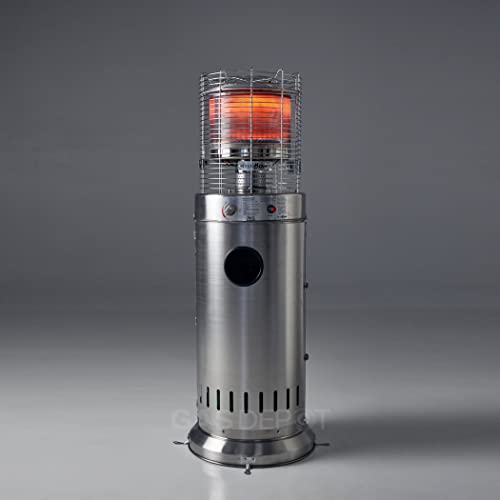
Patio heaters let you enjoy your outdoor space longer by warming it up. They are highly efficient and provide adjustable heating.
Gas is available in bottles called "patio" that are compatible with BBQs. They utilize an adjustable regulator clip-on, whereas butane cylinders are fitted with screw-in connectors.
What is Patio Gas?
Patio gas is propane, butane or butane packaged in a small bottle designed to be used for barbecues and heaters on patios. These bottles are connected to your appliance via an specialized regulator. (More on this later). They're green as opposed to the blue or red propane and butane cylinders that you'll find in the barbecue gas section of the shop. The bottles for gas barbecues also come with an indicator for the gas gauge so you know when the bottle is running low.
Both propane gas and butane are flammable hydrocarbons that burn when they are burned. Butane gas has a lower boiling temperature than propane and is able to be used at lower temperatures. Propane is able to burn at a higher temperature and is better suited to heating and cooking outdoors.
All leisure appliances that use bottles of gas come with a regulator valve that reduces the pressure of the gas that is coming out of the cylinder. This valve prevents the cylinder from breaking when you open it and also stops your appliances from working too fast. Regulators are available in clip-on and screw on styles and in different sizes to accommodate the different types of cylinders. Propane and Butane have distinct pressure requirements, which is why the regulators are not interchangeable.
What is Butane?
click for info is the second lightest of hydrocarbons (following propane) with four carbon atoms and 10 hydrogen atoms. It is also referred to by its chemical name C4H10 and is used in butane torchers and lighters. Butane is a liquid oily at ambient temperature. It is not odorless. Butane is used to power patio gas heaters and butane heaters. It is also used as a solvent in the production of cosmetics, perfumes and pharmaceuticals.
Both propane and butane are safe, non-toxic, clean-burning fuels that provide a reliable source of energy for homes and businesses in Tennessee and southern Kentucky. They both burn cleaner than other fossil fuels and release significant amounts of greenhouse gases when burned. However, there are some differences between propane and butane that must be understood.
Propane is distinct from butane in the sense of their boiling points. This is the temperature at which gas is vaporized under a specific pressure. Propane is more suitable for outdoor use and lower temperatures because its containers will not freeze. The lower boiling point of propane makes it more flammable than butane and more secure to store.
n-Butane, a volatile liquid that is colorless and odorless. It also lacks taste or smell. It is not harmful to humans, but it can irritate the mucous membranes and eyes. Inhalation of 10,000ppm over 10 minutes can cause drowsiness. However, there are no other adverse effects to the system.
The International Maritime Dangerous Goods Code sets out the rules and guidelines for the transportation of dangerous chemicals, such as butane. If you are shipping butane, it is important that you adhere to these guidelines. Infractions can result in fines, penalties and/or the confiscation or destruction of the cylinder that is leaking.
Although it isn't often seen, can lead to death because of arrhythmias or asphyxia. Butane can be used as an ingredient in homemade products. Autopsies in two cases of deliberate inhalation of butane revealed butane-related changes in the lungs and heart. These changes may be related to the butane's penetration through the pulmonary mucosa and alveoli. Histological analysis confirmed these findings. The deliberate abuse of butane causes a high mortality rate among children.
What is Propane?
Propane is a type of hydrocarbon gas (C3H8) that is called liquefied petroleum gas, or LPG. It's a clean and safe energy source that can be used for many reasons including cooking and heating homes to powering appliances and running vehicles. Propane is produced both from natural gas processing and crude oil refining with approximately equal amounts coming from both sources. It is non-toxic, colorless and virtually odorless. producers add an odorant dubbed Ethyl mercaptan in order to make it easier to detect leaks.
Propane is a gaseous substance at temperatures of room temperature. However, when it is pressurized, it becomes liquid. This allows propane to be transported easily and safely. It's stored in underground tanks that have controlled conditions at production and distribution centers. It's then distributed to homeowners, businesses and other customers through a network of pipelines, barges, tanker trucks and railcars.
While propane is an excellent choice for a variety of commercial and residential applications It is particularly well-suited for outdoor applications. It can power outdoor amenities like grills, patio heaters and fire pits. It can also be used as an energy source backup during power outages. It is also environmentally friendly producing less harmful emissions than other fossil fuel when burned.
The variety of propane makes it an essential part of American life. But what do you know about the process through which it is transported from its natural sources to your home?
Propane is an byproduct of natural gas processing and crude oil refining, and it can be located in underground and aboveground storage facilities. Distributed to natural gas processing facilities, as well as to homes through a network comprised of truckers, pipelines, and railroad vehicles. After it has been liquefied, it can be stored and transported via small portable tanks. This low-cost, clean fuel is a great choice for both commercial and residential uses. It's especially useful in rural areas where access to other kinds of fuel is a challenge. The United States is a net exporter for this renewable energy source.
Which Bottle Do I Need?
You can use either propane or butane in your BBQ or patio heater They both work well. The gas bottle you will need is determined by the type of appliance you're using. Propane is stored in green bottles that are specifically designed for outdoor appliances like patio heaters and BBQs, these are compatible with a 27mm clip on regulator. Butane is available in blue bottles and is most commonly used with camping stoves and one-burner cookers. They also have a screw-on regulator.
All leisure gas cylinders are equipped with gas regulators that lower the pressure in the cylinder, and controls the amount of gas dispensing. This makes sure that the cylinder doesn't empty too quickly and can cause damage to the appliance. Gas regulators differ depending on whether you are using butane or propane cylinders. Propane and Butane require to be released at different pressures, so they cannot be switched between appliances without swapping the regulator.
The majority of gas cylinders come with an indicator on them that will let you know that you are near to running out of gas. It is also simple to check the level by pouring a jug of warm water on the top of the cylinder, this will alter the temperature and give you an estimate of how much gas is left. You can also use a thermometer to obtain an accurate reading.
LPG cylinders are available in a range of sizes and shapes to fit different appliances. They vary from 3.9kg to fit portable camping equipment, up to 47kg to accommodate caravans. Most of them are made of steel and should be stored upright in a secure place away from fire exits, drains or building entrances.
Go through the manual for your BBQ or patio heater to see whether they recommend a certain brand or model. Some manufacturers offer their own brand cylinders that are designed for their appliance however, they can also be used with other brands.